Book Luxury Heritage Hotels in Rajasthan | 2026 Elite Palace Guide
The Definitive Authority Guide to Book Luxury Heritage Hotels in Rajasthan: 2026 Edition
Rajasthan, the “Land of Kings,” remains the global epicenter of palatial hospitality and living history. For the discerning traveler in 2026, the decision to book luxury heritage hotels in Rajasthan is an intentional move toward experiencing a regal lifestyle that has been meticulously preserved for centuries. These establishments are not merely hotels; they are “Living Palaces” where the descendants of the Maharajas often still reside, offering guests a unique blend of ancestral grandeur and world-class modern service.
As the luxury travel landscape shifts toward “Meaningful Opulence” and “Regenerative Tourism,” Rajasthan’s premier heritage properties have integrated advanced wellness science and sustainable restoration into their core DNA. Whether you are seeking a floating white-marble sanctuary in Udaipur or a golden sandstone fortress in the Thar Desert, understanding the specific “Royal DNA” of each property is essential. This guide provides an exhaustive breakdown of the top properties to book, the technological benefits of modern heritage stays, and practical strategies for securing your 2026 Indian odyssey.
Understanding Luxury Heritage Hotels in Rajasthan
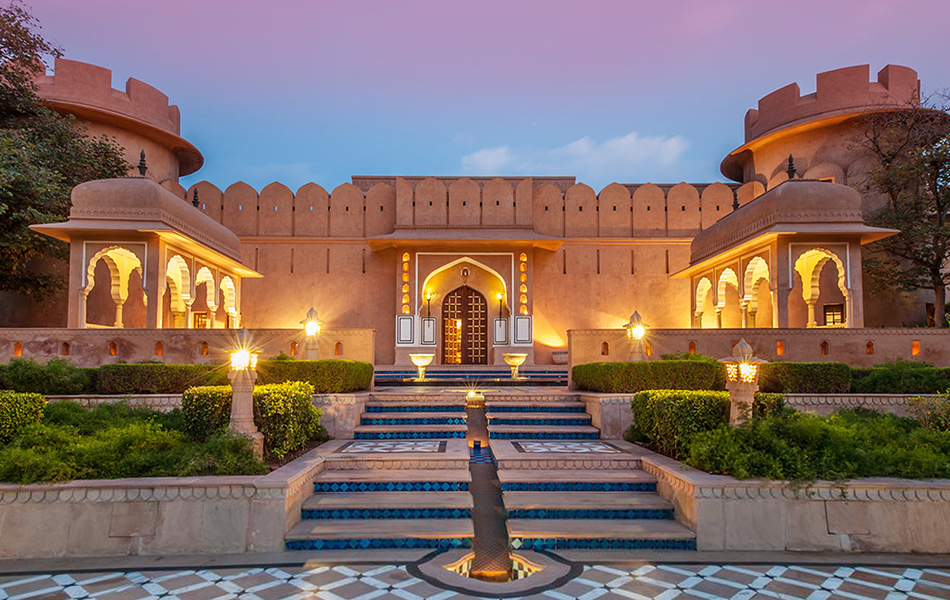
The core concept of a luxury heritage hotel in Rajasthan is defined by “Adaptive Re-use.” Unlike purpose-built modern luxury resorts, these properties are authentic historical structures—forts, palaces, and havelis—that have been retrofitted with 21st-century infrastructure. When you book luxury heritage hotels in Rajasthan, you are gaining entry into a world of hand-painted frescoes, silver-leafed ceilings, and expansive Mughal gardens, all while enjoying high-speed connectivity and climate-controlled interiors.
Commonly, guests use these hotels for high-stakes celebrations, multi-generational heritage tours, or as a base for exploring the vibrant culture of the Pink, Blue, and Golden cities. The expectation in 2026 includes 24/7 dedicated “Palace Butlers,” vintage car transfers, and private “J Wellness” rituals that draw on 5,000 years of Ayurvedic wisdom. The typical goal is to achieve “Temporal Immersion”—a stay that feels like a journey back to the era of the Rajputana, facilitated by staff who treat hospitality as a sacred duty.
| Heritage Category | Architecture Style | Best For | Estimated Nightly Rate (2026) |
| Floating Palace | Mewari White Marble | Romance & Honeymoons | $800 – $1,600 |
| City Landmark | Indo-Saracenic / Art Deco | Power Meetings & History | $600 – $1,400 |
| Desert Fortress | Yellow Sandstone | Adventure & Solitude | $450 – $1,200 |
| Noble Haveli | Rajput / Boutique | Intimacy & Culture | $300 – $700 |
Selecting the right heritage hotel requires an understanding of Rajasthan’s regional identities. Udaipur offers the romance of the lakes; Jaipur provides the vibrancy of the capital; Jodhpur offers the ruggedness of the fort-city; and Jaisalmer provides the mystical allure of the silk-route desert.
The Technological and Lifestyle Benefits of Royal Heritage Stays
The primary benefit of opting for luxury heritage hotels in Rajasthan lies in the integration of “Heritage-Safe Technology.” In 2026, these properties lead the world in non-invasive modernization. Guests benefit from “Smart Thermal Management” that utilizes the thick original stone walls of the palaces combined with invisible, high-efficiency cooling systems. This technology ensures that you can experience the architectural soul of an 18th-century fort without the discomfort of the desert heat, maintaining a perfect 22°C environment year-round.
Another major benefit is the use of “Digital Concierge Ecosystems.” Most premium heritage hotels now utilize integrated apps that act as a digital historian and local guide. Whether you need a 2:00 AM private astronomy session on the ramparts or a last-minute heritage walk through the city’s hidden bazaars, the technology allows for instantaneous execution. This level of responsiveness provides the luxury of time, allowing guests to focus entirely on their cultural immersion while the complex logistics of a palace are managed behind the scenes.
Furthermore, the “Bio-Wellness” benefit is a hallmark of the 2026 Rajasthan stay. Resorts like The Oberoi Udaivilas and Taj Rambagh Palace have integrated “Longevity Diagnostics” into their spa offerings. Guests can undergo DNA-based nutritional analysis that informs their on-site dining, ensuring that the royal feast is as beneficial for their biology as it is for their palate. For the high-performance traveler, these technological interventions turn a luxury stay into a proactive health investment.
Top 5 Luxury Heritage Hotels in Rajasthan to Book in 2026
1. Umaid Bhawan Palace, Jodhpur

Umaid Bhawan Palace is the last of India’s great palaces, built between 1928 and 1943. Its brand DNA is “Art Deco Splendor.” Perched high above the “Blue City” of Jodhpur, it serves as the principal residence of the Jodhpur Royal Family. The palace is a masterclass in the integration of Western Art Deco and Eastern architectural motifs.
Product Explanation and Cost:
Rates at Umaid Bhawan typically begin at $450 (approx. ₹38,000) for a Palace Room and can exceed $12,000 for the Grand Presidential Suite. The product includes access to the private museum, a subterranean Zodiac pool, and the J Wellness Circle. The cost reflects the property’s extreme exclusivity and its status as a “Living Palace” where guests share the grounds with the Maharaja.
Use Case and Problem Solved:
Umaid Bhawan solves the “Generic Luxury” problem. For the traveler who finds modern 5-star hotels too corporate, this palace provides a deeply personal, regal environment. It is the perfect solve for those who want to experience the sheer scale of royal living while having access to a world-class vintage car collection and private squash courts.
2. Taj Lake Palace, Udaipur

Taj Lake Palace is widely considered the most romantic hotel in the world. Built in 1746 as a pleasure palace for the Maharana, its brand DNA is “Ethereal Mewari Heritage.” It is accessible only by boat, providing a 360-degree water-view experience that is synonymous with Udaipur’s “City of Lakes” identity.
Product Explanation and Cost:
Nightly rates start around $580 (approx. ₹48,000) for a Luxury Room. The product features 65 rooms and 18 suites, every one of which offers a view of the lake, the City Palace, or the Jag Mandir. The cost includes the unique “Spa Boat” experience and ceremonial arrivals involving a rose-petal shower and a private gondola transfer.
Use Case and Problem Solved:
The Lake Palace solves the “Urban Intrusion” challenge. In the busy center of Udaipur, the Lake Palace provides a silent, water-guarded sanctuary. It is the best solve for couples seeking absolute privacy and a “fairytale” atmosphere that is completely removed from the noise of the city streets.
3. Rambagh Palace, Jaipur
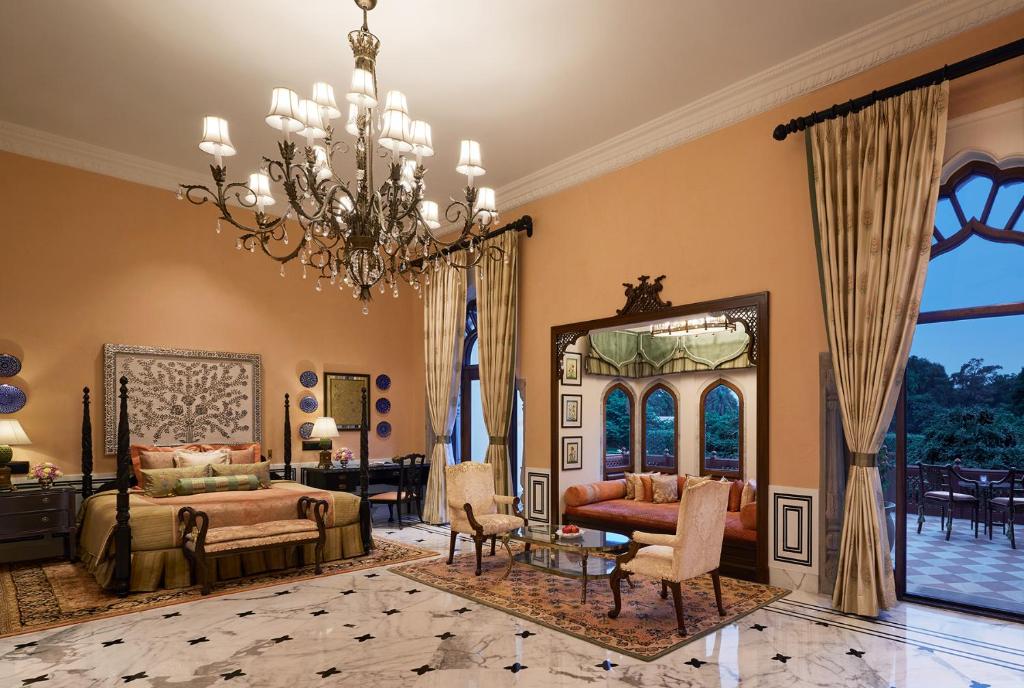
Rambagh Palace was the former residence of the Maharaja of Jaipur and is the pinnacle of Indo-Saracenic architecture. Its brand DNA is “Ceremonial Grandeur.” Spread across 47 acres of manicured gardens, the palace is famous for its peacocks, polo grounds, and the Suvarna Mahal—a restaurant housed in the former royal ballroom featuring gold-plated tableware.
Product Explanation and Cost:
Rates start at roughly $650 (approx. ₹55,000). The product features the legendary “Steam” restaurant—a restored Victorian steam train—and heritage walks led by the palace historian. The cost reflects the property’s prestige as the ultimate expression of Jaipur’s royal hospitality and its proximity to the Pink City’s historic forts.
Use Case and Problem Solved:
Rambagh Palace solves the “Space and Privacy” issue in a crowded city. While Jaipur is vibrant and bustling, Rambagh offers a massive, gated estate where guests can enjoy “Rural Quietude” in a metropolitan center. It is the preferred choice for those who want a formal, high-protocol royal experience.
4. Suryagarh, Jaisalmer

Suryagarh is a modern-built heritage fortress that captures the “Soul of the Desert.” Its brand DNA is “Mystical Discovery.” Located on the outskirts of Jaisalmer, it offers a more rugged, adventurous luxury experience focused on the history of the Silk Route and the legends of the Thar Desert.
Product Explanation and Cost:
Standard rooms begin at approximately $250 (approx. ₹20,000), while the standalone “Thar Haveli” suites reach $2,500. The product is defined by its “Curated Trails,” including midnight cemetery tours and sunrise desert breakfasts. The cost reflects the property’s deep investment in local desert culture and its state-of-the-art indoor wellness facilities.
Use Case and Problem Solved:
Suryagarh solves the “Desert Discomfort” challenge. For travelers who want to explore the Thar Desert but find traditional tented camps too basic, Suryagarh provides a high-fortified, air-conditioned sandstone palace that offers 5-star comfort in a wild, remote landscape.
5. The Oberoi Udaivilas, Udaipur

While not a “historic” building, Udaivilas is a “Heritage-Crafted” palace built by local artisans to the highest Mewari standards. Its brand DNA is “Meticulous Perfection.” It features 30 acres of wildlife-filled gardens and rooms with semi-private pools that allow guests to swim directly from their terrace into a winding canal.
Product Explanation and Cost:
Rates start at roughly $780 (approx. ₹65,000). The product features the world-renowned Oberoi Spa and private boat dinners under the stars. The cost reflects the property’s consistently high global ranking and its peerless level of personalized service, which often includes a dedicated staff member for every guest room.
Use Case and Problem Solved:
Udaivilas solves the “Structural Compromise” problem. Unlike real historic palaces that may have small rooms or old plumbing, Udaivilas offers the look of a palace with the function of a 2026 ultra-luxury resort. It is the best solve for those who want the heritage aesthetic with modern, oversized room layouts and perfect digital infrastructure.
Practical Planning and Cost Considerations for 2026
To book luxury heritage hotels in Rajasthan successfully, travelers must navigate the region’s extreme seasonality. In 2026, Rajasthan is a “seasonal luxury” destination, where the climate dictates both the price and the availability of outdoor royal experiences.
Seasonal Pricing Breakdown
-
Peak Season (October – March): The winter months offer the most comfortable weather. Prices are at their highest, and palaces often require a minimum 3-night stay. This is the best time for polo matches and garden dinners.
-
Shoulder Season (April & September): A transition period with hot days but cooler nights. Many palaces offer “Stay 3, Pay 2” or “Heritage Credit” packages during this time.
-
Low Season (May – August): The summer and monsoon months. While it is hot, this is the best time for “Value Luxury.” A $1,000 room can often be secured for $400, and the palaces look spectacular in the rain.
| Expense Category | Estimated Amount (2026) | Optimization Tip |
| Palace Room Rate | $450 – $1,500 | Book 6+ months in advance for “Early Bird” 20% discounts. |
| Heritage Transfers | $150 – $300 | Check if the resort offers vintage car pickups from the airport. |
| Dining (Royal Thali) | $100 – $250 | Opt for “Half-Board” packages if you plan to stay on-site. |
| Gala Dinner (Festive) | $300 – $500 | Mandatory on Dec 24th and 31st; factor this into the budget. |
Figures are 2026 estimates and vary based on specific palace brand and seasonal demand.
Risk Management and Best Practices for Your Royal Stay
The primary risk when you book luxury heritage hotels in Rajasthan is the “Structural Anomaly.” Because these are often real historic buildings, room sizes and layouts can vary significantly even within the same category.
-
Best Practice: Contact the palace concierge 48 hours after booking to request a room on a higher floor or one with a specific view (e.g., Lake View vs. Courtyard View). Heritage buildings are not uniform, and a polite request often leads to the best possible room assignment.
Another common challenge is “Cultural Etiquette.” Many Rajasthan heritage hotels are still part-residences of royal families.
-
Risk: Unintentional disrespect toward local customs or private areas.
-
Mitigation: Always attend the “Heritage Walk” offered on your first day. This is not just a tour; it is an orientation on the history, etiquette, and private zones of the palace. It ensures your stay is as respectful as it is luxurious.
Maintenance of Your Royal Travel Legacy
To ensure long-term value from your Rajasthan stays, it is a best practice to maintain a relationship with a specific heritage group or independent palace.
-
Guest Profile Management: Once you stay at a Taj or Oberoi property, they maintain a “Guest Profile” that travels with you. This ensures that upon your return to Jaipur, your preferred tea blend and linen type are already waiting for you.
-
Loyalty and Recognition: While many palaces are independent, others are part of programs like Taj InnerCircle or Oberoi One. Utilizing these programs can lead to significant long-term value, including “Palace-to-Palace” transfer benefits and suite upgrades.
Closing Summary
To book luxury heritage hotels in Rajasthan is to secure a front-row seat to the planet’s most majestic and living royal history. Whether you choose the Art Deco grandeur of Umaid Bhawan, the floating romance of Taj Lake Palace, or the desert fortress of Suryagarh, you are investing in a future of enhanced cultural connection and unforgettable memories. By planning according to seasonal trends and utilizing heritage-safe technology, you ensure a 2026 journey that is as strategically sound as it is profoundly regal.
Frequently Asked Questions
1. Is it better to book a palace hotel in Udaipur or Jaipur?
This depends on your goal. Udaipur is better for romance, water views, and a slower, more intimate pace. Jaipur is better for high-energy shopping, sprawling gardens, and formal royal protocol. If you are a first-time visitor, a “Palace Circuit” involving both cities is the best way to see the diverse faces of Rajasthan.
2. What is the difference between a “Heritage Hotel” and a “Palace Hotel”?
In Rajasthan, a “Heritage Hotel” is often a smaller haveli or a noble residence. A “Palace Hotel” (like Rambagh or Umaid Bhawan) was specifically a primary residence for a Maharaja. While both offer historic charm, Palace Hotels provide a much grander scale, higher service levels, and more extensive facilities like private museums and golf courses.
3. Are heritage hotels child-friendly?
Generally, yes, but with caveats. While palaces like Umaid Bhawan and Rambagh have massive gardens and kids’ programs, the fragile nature of 200-year-old frescoes means some areas are restricted. If you are traveling with very young children, The Oberoi Udaivilas is the best solve, as it offers the palace look with modern, child-safe construction and dedicated activity centers.