Book Premium Spa Hotels in Switzerland: 2026 Luxury Wellness Guide
The Ultimate Authority Guide to Book Premium Spa Hotels in Switzerland: 2026 Wellness Edition
Switzerland has long been the global epicenter of health, longevity, and restorative luxury. For the discerning traveler in 2026, the decision to book premium spa hotels in Switzerland represents an investment in holistic “Biological Optimization.” These establishments have evolved far beyond simple saunas and massages; they are now world-leading medical-wellness institutes that blend alpine serenity with cutting-edge Swiss cellular science.
As the global wellness market shifts toward “Proactive Longevity,” Swiss spa hotels have responded by integrating genetic testing, advanced hydrotherapy, and hyperbaric oxygen chambers into their traditional hospitality models. Whether you are seeking a high-altitude detox in the Engadin Valley or a lakeside medical retreat in Lucerne, understanding the specific technological and therapeutic “DNA” of each hotel is essential. This guide provides an exhaustive breakdown of the best properties to book, the scientific benefits of Swiss wellness, and practical strategies for securing your 2026 reservation.
Understanding Premium Spa Hotels in Switzerland
The concept of the Swiss spa is rooted in the 19th-century “Sanatorium” tradition, where the elite traveled to the Alps for the “Air Cure” and thermal waters. Today, this tradition is manifest in ultra-luxury properties that serve as sanctuaries for the world’s high-net-worth individuals. To book premium spa hotels in Switzerland is to choose an environment where the architecture is designed to lower cortisol levels and the service is choreographed to provide total mental and physical recalibration.
Commonly, people use these hotels for deep detoxification, post-operative recovery, or “Burnout Prevention.” The expectation in 2026 includes 24/7 access to thermal circuits, personalized nutrition plans supervised by on-site doctors, and spa suites featuring private steam rooms and mountain-view treatment areas. The typical goal is to achieve a “Total System Reset”—a return to peak physiological and psychological function facilitated by the unique mineral content of Swiss thermal springs.
| Category | Primary Wellness Focus | Target Demographic | Estimated Nightly Rate |
| Medical Wellness | Cellular regeneration & Check-ups | Longevity Seekers & Executives | $1,500 – $4,000+ |
| Alpine Thermal | Hydrotherapy & Mineral Soaks | Couples & Nature Lovers | $800 – $1,800 |
| Palatial Luxury | High-end aesthetics & Skin Tech | Socialites & High-Society | $1,200 – $3,500 |
| Modern Holistic | Yoga, Mindfulness & Biohacking | Millennial Entrepreneurs | $900 – $2,200 |
When deciding which property to book, travelers must evaluate the “Altitude Factor.” Higher altitude spas (like those in St. Moritz or Zermatt) offer the benefit of increased red blood cell production, while lakeside spas (like those in Zurich or Geneva) focus more on lymphatic drainage and aesthetic medicine.
The Technological and Scientific Benefits of Swiss Spa Stays
The primary benefit of opting for premium spa hotels in Switzerland lies in the integration of “Medical Grade Wellness Technology.” In 2026, Swiss spas lead the world in cryotherapy and infrared science. Guests benefit from full-body cryo-chambers that drop to -110°C, a process that triggers systemic anti-inflammatory responses and accelerates muscle recovery. This technology-driven approach ensures that a 3-day stay in Switzerland can yield the physiological benefits that would typically take weeks to achieve in a standard urban environment.
Another major benefit is the use of “Smart Hydrotherapy.” Swiss spas utilize computer-controlled thermal circuits where water temperature, pressure, and mineral concentration are adjusted to the guest’s specific blood pressure and heart rate variability (HRV). This bio-feedback-driven bathing experience optimizes the cardiovascular benefits of thermal water, making it a powerful tool for those managing stress-related heart conditions or chronic fatigue.
Furthermore, the “Longevity Benefit” of Swiss cellular therapy cannot be ignored. Many premium spa hotels offer exclusive partnerships with Swiss skincare and medical brands like Valmont, La Prairie, or Clinique La Prairie. These treatments use DNA-repair enzymes and cellular extracts to rejuvenate the skin at a molecular level. For the guest, this means visible aesthetic results paired with a profound internal sense of vitality, a combination that defines the “Swiss Wellness Standard.”
Top 5 Premium Spa Hotels in Switzerland to Book in 2026
1. Bürgenstock Resort Lake Lucerne
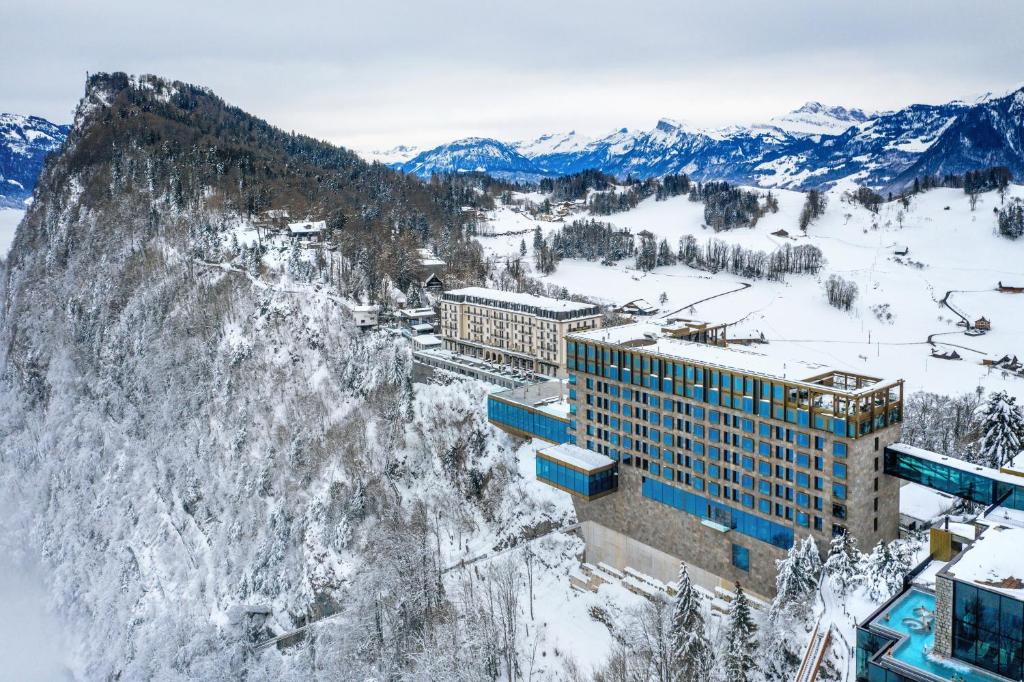
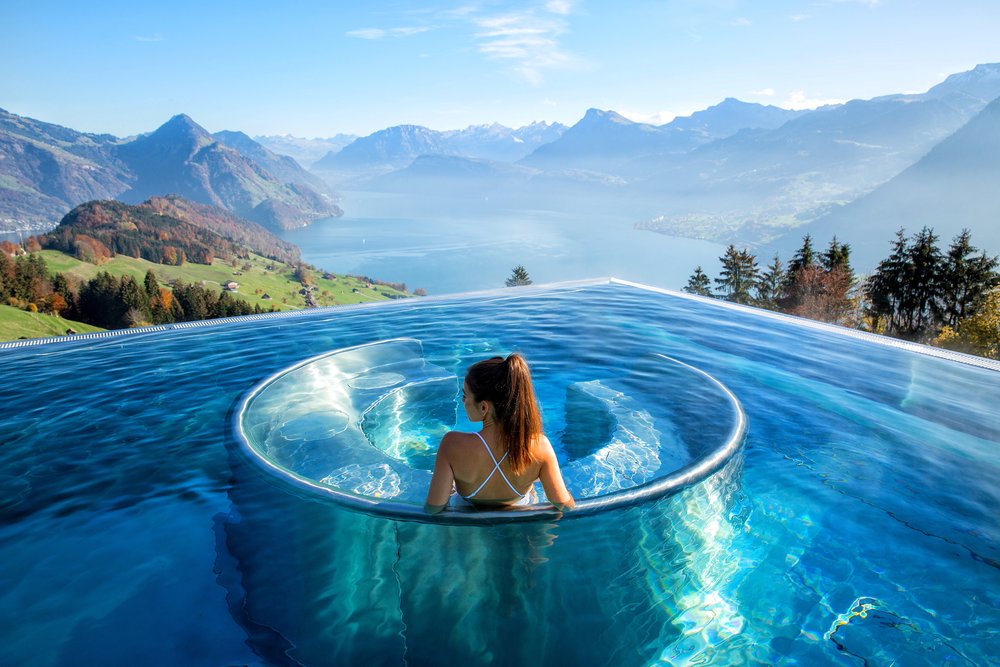
The Bürgenstock Resort is a sprawling masterpiece of modern architecture and wellness. Its 10,000-square-meter Alpine Spa is one of the largest in Europe, featuring an infinity pool that has become a global icon of luxury. The brand DNA focuses on “The View as Therapy,” using the panoramic vistas of the lake and mountains to induce a state of deep meditation.
Product Explanation and Cost:
Nightly rates at the Bürgenstock Hotel & Alpine Spa typically start at $1,400 for a Contemporary Lake View room. The product includes access to the historic “Waldhotel” medical center on-site, which specializes in “Healthy Aging” and “Physical Resilience.” The cost covers the world-class thermal suite, which includes salt-water pools, infrared saunas, and cold-plunge grottoes.
Use Case and Problem Solved:
Bürgenstock solves the problem of “Urban Sensory Overload.” For the executive or celebrity who needs to be near Zurich (only 1 hour away) but requires a total escape from the noise of the city, this resort provides a fortified, high-altitude sanctuary with medical-grade support.
2. Grand Resort Bad Ragaz
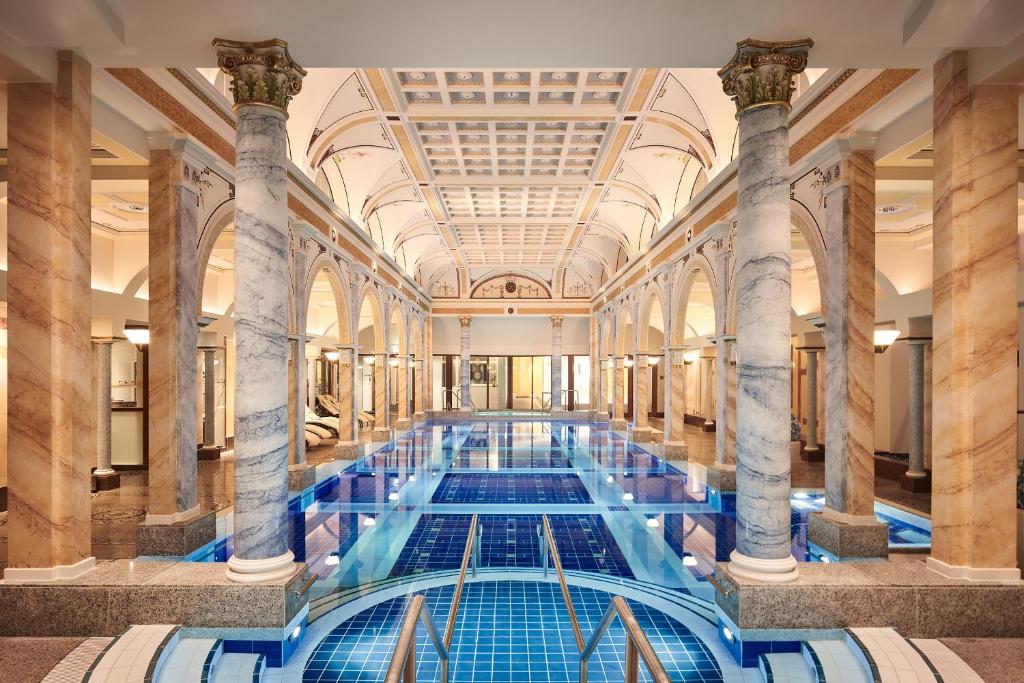
Bad Ragaz is the ultimate destination for “Thermal Authority.” It is one of the few places in the world where the hotel is built directly over a natural thermal spring (the Tamina Source). Its brand DNA is rooted in the “Cure” tradition, but it has been modernized into a 5-star resort that houses a world-renowned Olympic medical center.
Product Explanation and Cost:
Rates start at approximately $950 in the Spa Suites building, where every room features its own thermal water tap. The product is defined by its “Medical Masterminds” programs, which include metabolic testing and personalized exercise physiology. It is also home to the 3-Michelin-starred restaurant, Memories, ensuring that wellness extends to the palate.
Use Case and Problem Solved:
This property solves the “Chronic Pain and Recovery” challenge. For athletes or those suffering from joint issues, the constant access to 36.5°C thermal water combined with on-site physiotherapy makes it the most effective recovery environment in the Alps.
3. The Dolder Grand, Zurich

The Dolder Grand is Zurich’s “City Resort,” a castle-like structure overlooking the city and the lake. Its spa DNA is a fusion of “European Grandeur and Japanese Zen.” It is widely considered the best city-based spa in the world, making it the preferred choice for those who want luxury wellness without traveling deep into the mountains.
Product Explanation and Cost:
Rooms start at roughly $850, with the “Grand Suites” reaching $5,000+. The spa product includes an indoor pool with a view, outdoor whirlpools, and specialized “Kotatsu” foot baths. The Dolder Grand also hosts an extensive private art collection (including Dalí and Miró), contributing to a “Cultural Wellness” experience.
Use Case and Problem Solved:
The Dolder Grand solves the “Time-Poor Traveler” problem. For someone visiting Zurich for a 48-hour business window, this hotel provides a full-scale alpine spa experience just 10 minutes from the financial district. It allows for a high-intensity “Micro-Retreat” between board meetings.
4. Kulm Hotel St. Moritz

Kulm Hotel is the birthplace of winter tourism and represents the pinnacle of “Alpine Heritage Luxury.” Its spa was recently renovated for millions of Swiss francs, creating a sleek, glass-walled sanctuary that focuses on “The Power of the Engadin.” The brand DNA is about “Elite Restoration” in the world’s most glamorous ski resort.
Product Explanation and Cost:
Standard rooms in the winter season begin at $1,200. The spa product is unique for its “Oxygen Therapy” and high-altitude training facilities. The pool features underwater music and a dedicated children’s area, making it one of the few premium spa hotels that is truly family-friendly while maintaining an atmosphere of extreme exclusivity.
Use Case and Problem Solved:
Kulm solves the “Social Fatigue” issue. St. Moritz can be incredibly busy and high-energy; the Kulm Spa provides a quiet, hushed interior where guests can disappear into “Silent Relaxation” zones to escape the social pressures of the jet-set crowd.
5. Chenot Palace Weggis

Chenot Palace Weggis is not just a hotel; it is a “Human Performance” laboratory. Following the legendary Chenot Method, this property on Lake Lucerne is dedicated entirely to detox and metabolic reset. Guests are required to stay for a minimum of 7 days to undergo the full clinical program.
Product Explanation and Cost:
The “Advanced Detox” program (including room and board) starts at approximately $8,500 per person per week. This is a highly controlled environment where caffeine, alcohol, and processed sugars are prohibited. The cost includes comprehensive blood work, nutritional consultation, and daily hydro-aromatherapy treatments.
Use Case and Problem Solved:
Chenot solves the “Willpower Gap.” For individuals who have struggled with weight management or toxic lifestyles, the structured, medically supervised environment at Weggis provides the “Hard Reset” necessary to change long-term habits. It is for those who are serious about a life-changing health intervention.
Practical Planning and Cost Considerations for 2026
To book premium spa hotels in Switzerland successfully, travelers must understand that the Swiss market operates on a high-demand, high-deposit model. In 2026, most top-tier spa hotels require a 50% deposit at the time of booking, especially during the peak winter (December–February) and summer (July–August) seasons.
The Real Cost of Swiss Wellness
When budgeting, the “Room Rate” is only the baseline. Most premium spa programs (medical check-ups, specialized massages, or aesthetic treatments) are charged as add-ons. A guest at a property like Bad Ragaz should expect to spend an additional $400–$800 per day on wellness services to fully utilize the facility’s expertise.
| Expense Category | Estimated Amount (2026) | Optimization Tip |
| Nightly Rate | $900 – $2,500 | Book “Mid-Week” (Tues-Thurs) for 20% lower rates. |
| Spa Program Add-on | $1,500 – $3,500 | Look for “All-Inclusive Wellness” packages. |
| Dining (Half-Board) | $120 – $250 | Opt for the “Health Menu” to match your spa goals. |
| Mandatory Taxes | $5 – $10 / person | Small “Kurtaxe” (Tourist Tax) is always separate. |
Risk Management and Best Practices for Your Swiss Spa Stay
The primary risk when you book premium spa hotels in Switzerland is “Medical Contraindication.” Some Swiss treatments—such as high-intensity cryotherapy or deep-tissue lymphatic drainage—are not suitable for everyone.
-
Best Practice: Always disclose any heart conditions or recent surgeries to the spa’s medical director before your arrival. Swiss law is very strict, and they will not perform certain treatments without a prior medical clearance.
Another common challenge is “Post-Detox Fatigue.” After a high-intensity detox at a place like Chenot or Bad Ragaz, the body needs 48–72 hours to re-adjust to normal life.
-
Mitigation Strategy: Do not book a high-stakes business meeting or a long-haul flight for the day you check out. Plan a “buffer” day in Zurich or Geneva to gently transition back to your regular routine.
Maintenance and Long-Term Management of Results
The goal of a Swiss spa stay is not just to feel good for a week, but to maintain those results for months. Most premium hotels now offer “Post-Stay Support” via digital apps.
-
Digital Integration: Hotels like Bürgenstock and Chenot provide guests with a 3-month digital nutrition and exercise plan based on the data collected during their stay.
-
Annual Check-ins: Longevity experts suggest booking a Swiss wellness retreat at least once every 12–18 months to monitor biomarkers and adjust your health strategy as you age.
Closing Summary
To book premium spa hotels in Switzerland is to enter a world where health is the ultimate luxury. Whether you choose the architectural grandeur of Bürgenstock, the thermal heritage of Bad Ragaz, or the clinical precision of Chenot Weggis, you are securing a future of enhanced vitality and longevity. By planning according to your specific medical needs and seasonal trends, you ensure a 2026 experience that is as scientifically transformative as it is aesthetically stunning.
Frequently Asked Questions
1. Do I need a doctor’s referral to stay at a Swiss medical spa?
No, a referral is typically not required to book premium spa hotels in Switzerland. However, if you are booking a specific “Medical Program” (such as post-cancer recovery or heart health), the hotel will conduct its own mandatory on-site medical consultation upon your arrival to ensure all treatments are safe for you.
2. What is the difference between a “Spa Hotel” and a “Wellness Clinic”?
A Spa Hotel (like Kulm or Dolder Grand) focuses on relaxation, aesthetics, and general well-being where medical treatments are optional. A Wellness Clinic (like Chenot Palace) is a dedicated health facility where the stay is structured around a strict medical protocol, and “leisure” activities are secondary to the health intervention.
3. Is there a dress code for Swiss spa hotels?
In the spa area itself, the code is “Bathrobe Luxury” (high-quality robes and slippers provided by the hotel). However, in the dining areas of these 5-star properties, the code is usually “Smart Casual” or “Formal” for dinner. Always check if the hotel has a “Gentleman’s Jacket” requirement for its signature restaurants.